



The Evolving World of Crime and Intelligence Analysis
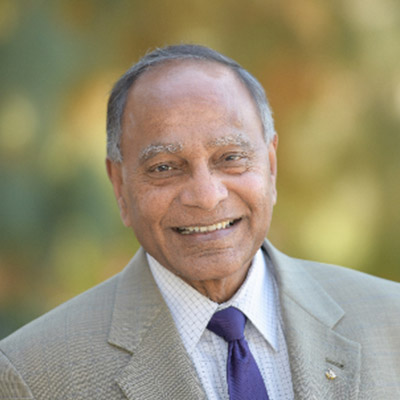
Raj K. Singh, Ph.D. is an instructor in the Crime and Intelligence Analysis Certificate Program at Cal State Fullerton. In this Q&A, he talks about what students will gain from the program, how AI is emerging and shaping the field, common career paths, and skills that students will obtain from the program.
What makes the CSUF Crime and Intelligence Analysis Certificate Program stand out, and what do students gain from the experience beyond the coursework?
The program stands out because it blends academic rigor with real-world application—students don't just learn theory, they learn how crime analysis actually functions inside an agency. Beyond coursework, students gain practical research and statistical skills, exposure to working professionals in the field, and the confidence that comes from applying classroom knowledge to real data and real cases.
How has the field of crime and intelligence analysis evolved over the years, and how are AI and emerging technologies shaping the profession today?
The field has shifted from largely manual, reactive record-keeping to a data-driven, predictive discipline. Analysts today work with far more sophisticated software, mapping tools, and databases than a decade ago. AI and machine learning are increasingly used to identify patterns, flag anomalies, and process large datasets faster—but they haven't replaced the analyst's judgment. If anything, they've raised the bar: analysts now need to understand both the technology and the statistical reasoning behind it to interpret results correctly and avoid over-relying on algorithms.
What career opportunities are available to graduates, and what types of organizations hire people with these skills?
Graduates go on to work as crime analysts, intelligence analysts, and research analysts for police departments, sheriff's departments, district attorney's offices, and federal agencies. These skills are also in demand at private security firms, consulting companies, and nonprofit organizations focused on public safety and policy research.
What skills do employers look for most in entry-level analysts, and what separates exceptional analysts from average ones?
Employers look for strong data literacy—the ability to work with statistics, spreadsheets, and analytical software—along with clear writing and communication skills, since analysts must translate data into reports decision-makers can actually use. What separates exceptional analysts from average ones is critical thinking: the ability to ask the right questions of the data, spot what's missing, and draw conclusions that hold up under scrutiny, rather than just running numbers.
For students who are new to statistics, what should they expect from the program, and which analytical skills are the most important to develop for success in the field?
Students new to statistics should expect a supportive, step-by-step approach—the course is built for people without a math or research background, not against them. The most important skills to develop are comfort interpreting data (not just calculating it), understanding what makes a data source reliable, and learning to communicate findings clearly to a non-technical audience.
For someone considering the certificate program, what advice would you give them, and in one sentence, why should they choose CSUF?
My advice: don't let an unfamiliarity with statistics or research hold you back—this program is designed to build those skills from the ground up, and the payoff in career readiness is significant. In one sentence: choose CSUF because the program combines expert instruction, a curriculum built specifically for real careers in law enforcement and intelligence analysis, where students work with real-life crime data to develop practical crime analysis skills and the student-centered support we provide throughout the program.
Learn more about the Human Resources Management Certificate Program

You can learn more about the Human Resources Management Certificate Program — including information on dates, cost and registration — on our program page.