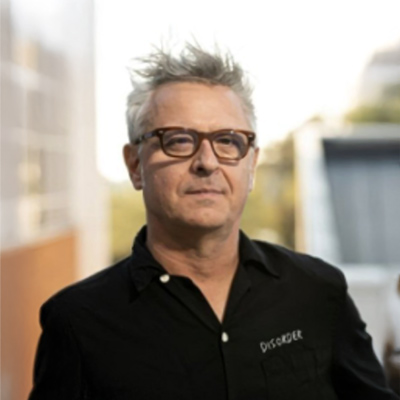
Fernando Rodríguez-Valls, Ph.D.
Professor, Department of Secondary Education, Cal State Fullerton
What is your favorite subject/course/lecture/project in this program?
Translanguaging.
Becoming a well-prepared Bilingual Educator calls for three key elements: 1) having a strong stance, 2) being committed to designing linguistically inclusive and relevant learning opportunities and 3) being willing to shift personal beliefs to decolonize learning and teaching. For me, it is an honor to work with candidates co-designing and co-creating radically inclusive practices.
What advice do you have for students entering the program/course?
Be ready to actively listen and committed to working with and learning from their classmates and faculty. Also be ready to: unlearn, deconstruct and explore personal biases and stereotypes. Impactful bilingual educators are active listeners who are open to active listening and committed to working with and learning from students, families, classmates and faculty. Education when effective creates good people. Thus, be ready to work on your mindfulness and thoughtfulness
What are some of the highlights of the program/courses?
The opportunity to work with and learn from educators with amazing skills and experiences. We learn when we work in comunidad. This course provides the space to be part of a comunidad of educators prepared to take action and to teach to transgress and transform.
How does this program prepare students for successful careers?
California has a shortage of linguistically responsive bilingual teachers. This course responds to that call. Taking this course will open many professional doors and opportunities.
What are some common career paths for graduates?
Graduates may end up: 1) working in Bilingual Programs across the state of California, 2) Becoming leaders in their communities, or 3) taking positions as administrators, scholars, and educators that will ensure California is a more just, equitable and inclusive space for linguistically marginalized students and their families.

You can learn more about the Crime and Intelligence Analysis Certificate Program – including information on dates, cost and registration – on our program page.
Crime and Intelligence Analysis
